

Future Trends in Power Line Inspection Drones
Power grid reliability depends on timely inspection and maintenance. Traditional manual inspections are slow, hazardous, and expensive. Modern drones—especially AI-equipped VTOL platforms—now offer safer and more accurate alternatives.
1. VTOL Platforms Increase Efficiency
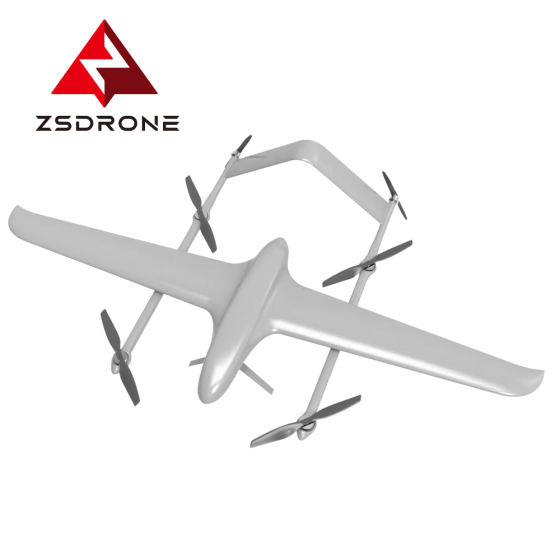
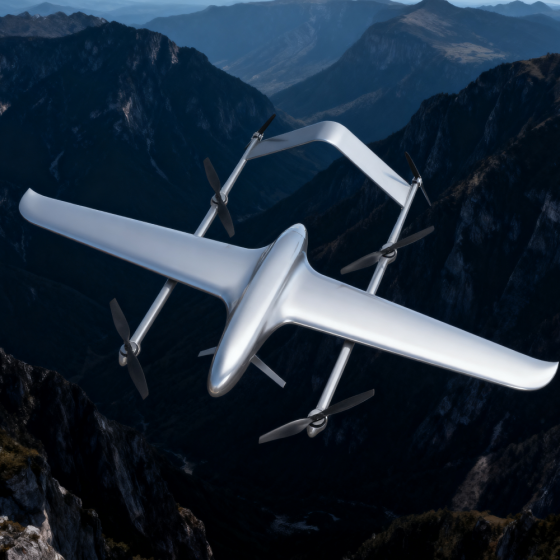
VTOL inspection drones, such as the VT15 and VT30 series, provide:
-
Long-endurance capability
-
Ability to operate in narrow corridors
-
Stable flight near high-voltage lines
-
High maneuverability for towers and complex terrain
They reduce inspection time by over 60% compared to ground teams.
2. AI and Computer Vision Are Transforming Accuracy
Advanced onboard processors now support:
-
Automatic tower identification
-
Defect recognition (cracks, corrosion, missing components)
-
Hotspot detection using IR sensors
-
Real-time risk alerts
AI-driven inspection helps utilities standardize maintenance workflows and reduce human error.
3. LiDAR + HD Imaging for Precision Mapping
LiDAR-equipped drones deliver centimeter-level accuracy for:
-
Corridor mapping
-
Vegetation encroachment analysis
-
3D tower reconstruction
-
Digital twin modeling
Utilities can now store complete digital replicas for predictive maintenance.
4. Autonomous Route Flights Enhance Safety
Autonomous flight systems enable:
-
Pre-planned mission routes
-
Constant altitude control
-
Automated obstacle avoidance
-
Repeatable flight paths for consistent data
This raises overall operational reliability.
5. Greater Wind Resistance for Harsh Environments
Industrial platforms with Level 6–7 wind resistance ensure:
-
Stable hover near voltage lines
-
Reliable operation in mountains, valleys, or coastlines
-
Year-round inspection capability
This is critical for regions where weather limits manual access.
6. The Future: Fully Automated Drone-in-a-Box Systems
Next-generation systems will include:
-
Automated takeoff/landing stations
-
Self-charging drone docks
-
Cloud-based AI analytics
-
24/7 remote inspection capabilities
Power companies will be able to monitor entire grids autonomously.
As AI, VTOL engineering, and sensor technology evolve, power line inspection drones will continue to deliver faster, safer, and more intelligent solutions for utility companies.
ZSDrone remains committed to advancing the future of smart grid inspection through cutting-edge UAV platforms.